
Approximately 15 to 30 minutes, depending on the treatment area
Minimal; temporary redness, sensitivity, or mild swelling may occur
Gradual improvement as treated pigmentation clears and the skin renews
Varies based on the concern, treatment area, and individual response
Sessions may be spaced several weeks apart based on your personalized treatment plan
Topical numbing may be used depending on the treatment area and patient comfort
Sun exposure, hormonal changes, inflammation, and the natural aging process can all contribute to uneven pigmentation that makes the complexion appear less clear and balanced. Pico Laser Treatment in Upper Arlington, OH, offers a non-surgical approach to targeting unwanted pigment while also supporting improvements in overall skin tone and texture.
At The Luxe MedSpa, Pico Laser treatments are customized based on your skin, pigmentation concerns, and aesthetic goals. Whether you are looking for a melasma treatment, want to address sun damage, or are concerned about persistent dark spots, your provider will determine the appropriate treatment approach for your complexion.
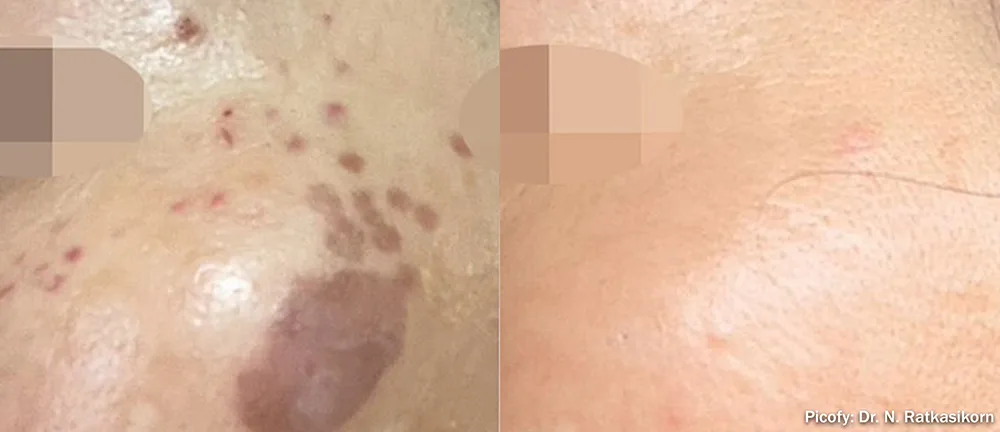
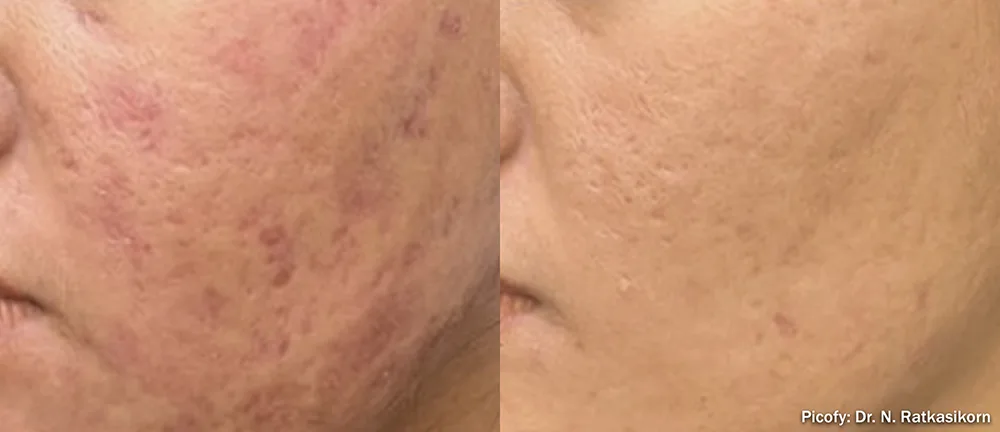
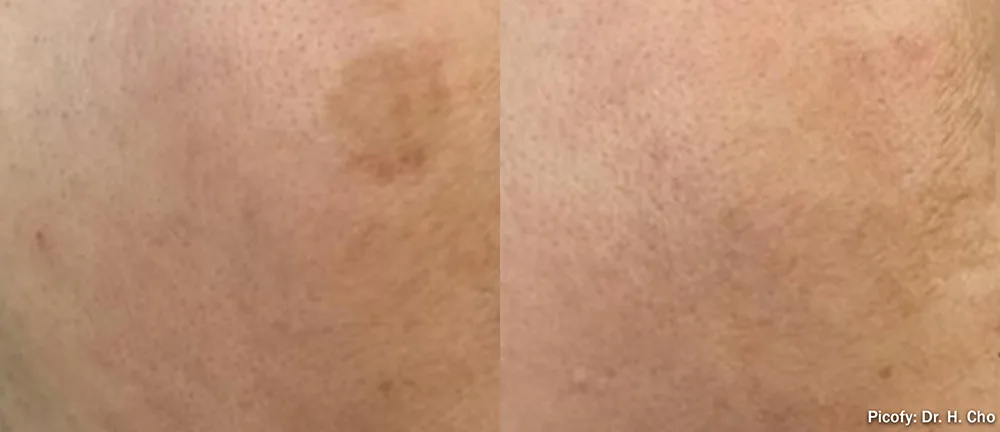
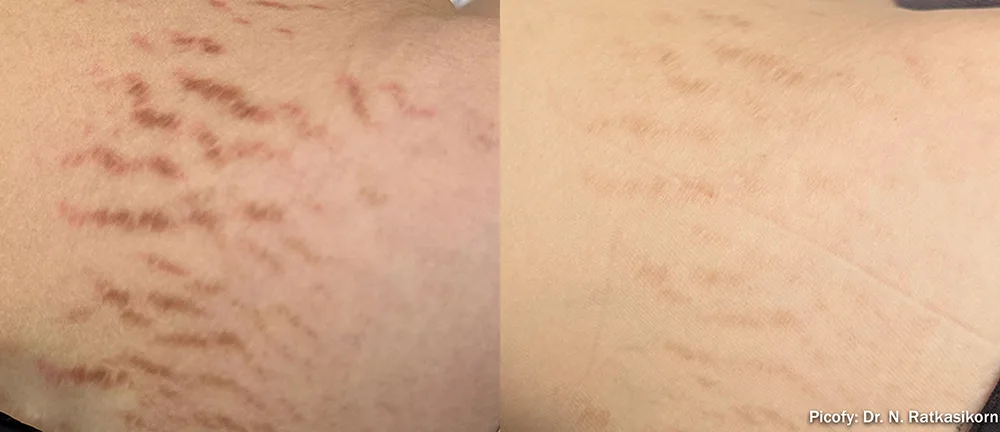
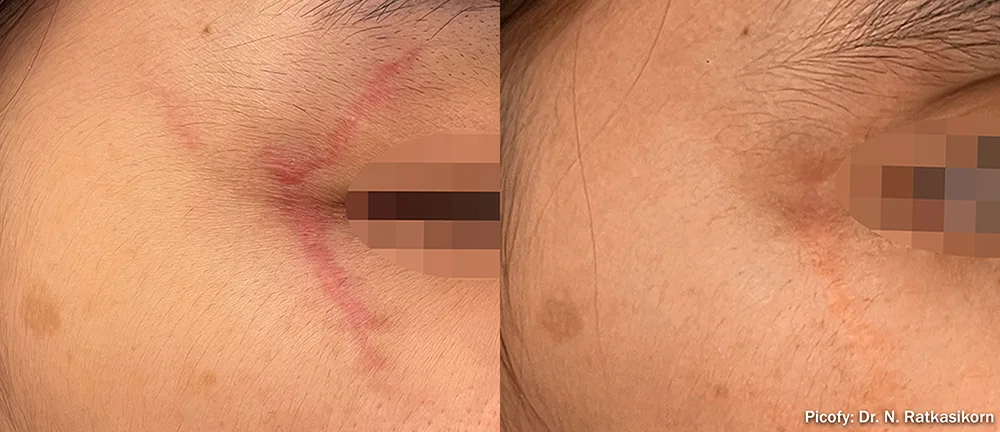
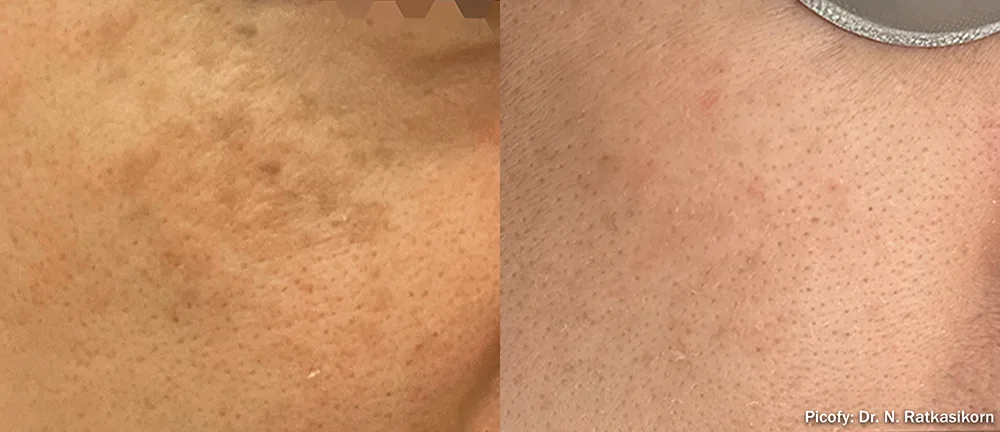
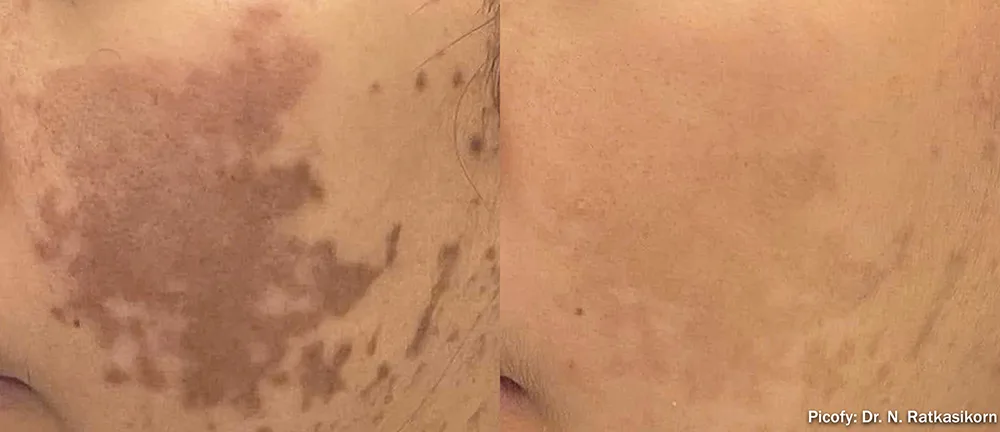
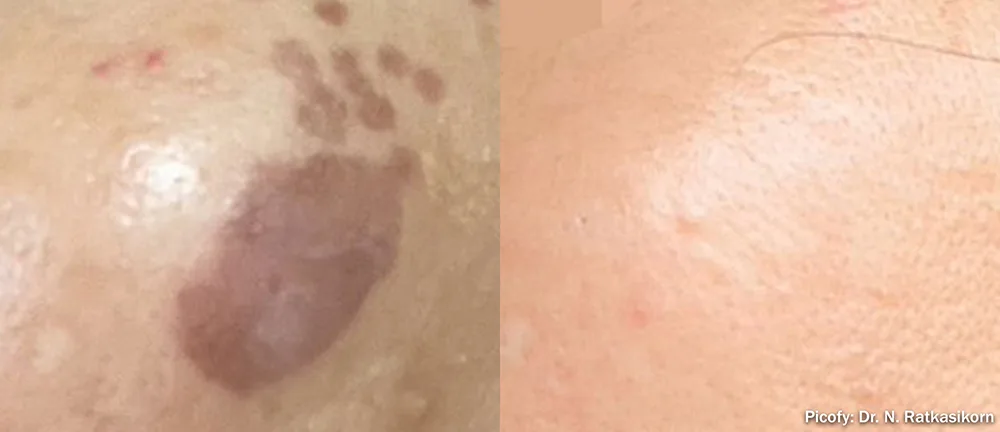

Pico Laser Treatment uses picosecond laser technology, which delivers extremely short pulses of laser energy into targeted areas of the skin. These rapid pulses are designed to break unwanted pigment into smaller particles that the body can gradually clear through its natural processes.
The treatment can be used for concerns such as melasma, hyperpigmentation, sun spots, age spots, and uneven skin tone. Because laser settings and treatment protocols can be adjusted based on the individual, your provider will evaluate your skin type and pigmentation before determining whether Pico Laser is appropriate for you.
Pico Laser Treatment offers a customizable approach to improving unwanted pigmentation and overall skin quality without surgery. By delivering energy in ultra-short pulses, treatment can target specific pigment concerns while allowing your provider to adjust the approach based on your skin tone, treatment area, and goals.
Pico Laser Treatment uses picosecond laser technology, which delivers extremely short pulses of laser energy into targeted areas of the skin. These rapid pulses are designed to break unwanted pigment into smaller particles that the body can gradually clear through its natural processes.
The treatment can be used for concerns such as melasma, hyperpigmentation, sun spots, age spots, and uneven skin tone. Because laser settings and treatment protocols can be adjusted based on the individual, your provider will evaluate your skin type and pigmentation before determining whether Pico Laser is appropriate for you.

Pico Laser Treatment can be used on the face and several areas of the body affected by unwanted pigmentation, sun damage, or uneven tone. Your provider will customize treatment based on the condition of your skin and the concern being addressed.
Addresses widespread pigmentation, uneven tone, and overall skin clarity.
Targets sun spots, discoloration, and uneven pigmentation across the forehead.
Helps improve freckles, brown spots, melasma, and other areas of discoloration.
Can address appropriate pigmentation concerns around the upper lip.
Targets visible discoloration and uneven tone across the nose.
Carefully treats appropriate pigmentation concerns in the surrounding eye area.
Helps improve dark spots and uneven pigmentation along the chin.
Targets areas of discoloration and uneven tone along the lower face.
Addresses visible sun damage and pigmentation affecting the neck.
Helps improve brown spots and sun-related discoloration across the upper chest.
Targets freckles, sun spots, and uneven pigmentation caused by repeated sun exposure.
Helps reduce visible age spots, sun spots, and uneven tone.
Can treat areas of unwanted pigmentation and accumulated sun damage.
Pico Laser can address several pigmentation and skin-quality concerns, but treatment should be customized to the specific cause and depth of discoloration. Your provider at The Luxe MedSpa will evaluate your skin before determining the appropriate laser settings and treatment plan.
You may be a candidate for Pico Laser Treatment if you want to improve unwanted pigmentation, sun damage, uneven skin tone, or certain textural concerns without more aggressive resurfacing. Treatment may be appropriate for concerns such as brown spots, freckles, post-inflammatory hyperpigmentation, or melasma, depending on the characteristics of your skin and pigmentation.
Because pigment can have different causes and depths, a consultation is important before treatment. Your provider at The Luxe MedSpa will evaluate your skin tone, pigmentation pattern, treatment history, and goals to determine whether Pico Laser is appropriate and customize the treatment settings accordingly.
Your appointment begins with an evaluation of the treatment area and the pigmentation or skin concerns you want to address. Your provider will select treatment settings based on factors such as your skin tone, type of pigmentation, and treatment area before delivering rapid pulses of laser energy to the skin.
During treatment, you may feel brief snapping, tingling, or warmth as the laser pulses are delivered. Temporary redness, sensitivity, mild swelling, or darkening of treated pigment may occur afterward. Over time, targeted pigmentation can gradually fade as the skin processes the fragmented pigment, and a series of treatments may be recommended depending on your individual response.
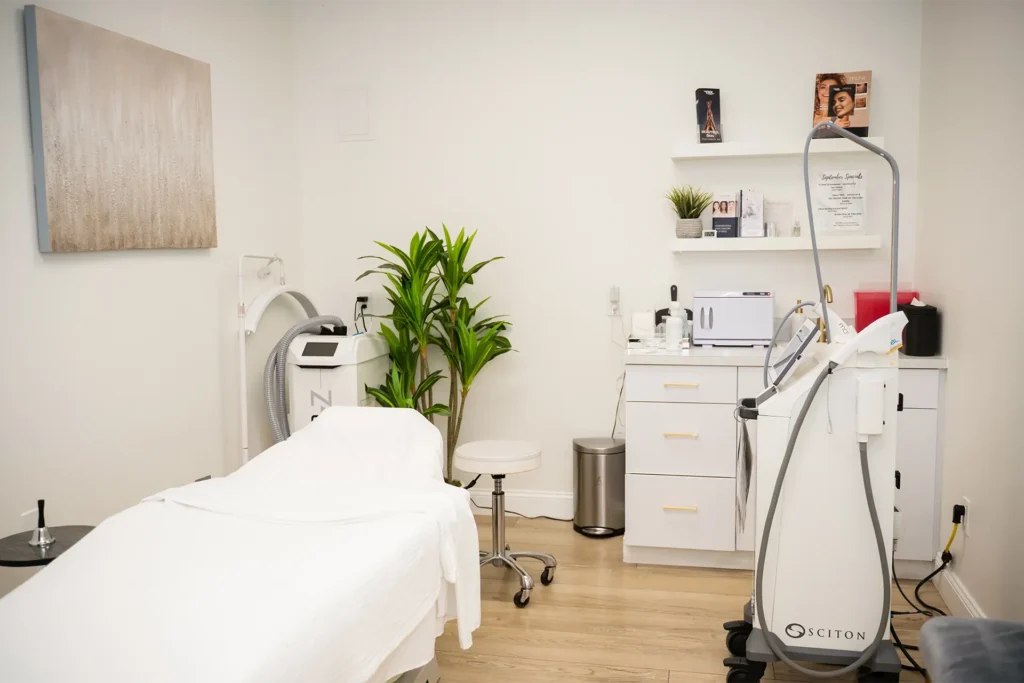
Proper preparation is especially important before laser treatment because recent sun exposure, certain skincare products, and existing skin irritation can affect how your skin responds. Your provider will give you personalized instructions based on your skin and planned treatment.
After Pico Laser Treatment, the skin may appear temporarily red, sensitive, or mildly swollen, and areas of targeted pigmentation may initially look darker before they begin to fade. Following your provider’s aftercare instructions can help protect the treated skin while it recovers.
Results from Pico Laser Treatment can be long-lasting for pigmentation that has been successfully treated, but the treatment cannot prevent new discoloration from developing. Sun exposure, hormonal changes, inflammation, aging, and conditions such as melasma can contribute to pigmentation returning or new spots appearing over time.
Consistent sun protection and an appropriate skincare routine can help maintain a clearer, more even-looking complexion. Some patients may also benefit from maintenance treatments based on their skin and concerns. To get a better sense of the aesthetic results available at the practice, patients can explore The Luxe MedSpa’s Gallery for before-and-after examples.
Pico Laser can be incorporated into a broader skin rejuvenation plan when patients want to address concerns beyond pigmentation. Your provider will determine how treatments should be spaced and combined based on your skin, goals, and response to laser treatment.
Pico Laser Treatment and microneedling can both improve overall skin quality, but they work differently and are often selected based on the primary concern being treated. Pico Laser is especially useful for targeting unwanted pigment, while microneedling primarily creates controlled micro-injuries to support collagen production and improve texture.
Feature | Pico Laser Treatment | Microneedling |
Primary Focus | Pigmentation, discoloration, and skin clarity | Texture, pores, fine lines, and acne scars |
Technology | Ultra-short picosecond laser pulses | Controlled microscopic channels created with fine needles |
Pigmentation Concerns | Targets unwanted pigment directly | May improve certain discoloration as skin renews |
Texture Concerns | Can support smoother-looking skin | Primarily used to improve texture and collagen remodeling |
Downtime | Generally minimal, depending on treatment intensity | Temporary redness and sensitivity are common |
Best Approach | Customized to pigment type, skin tone, and treatment area | Customized to skin concerns, treatment depth, and goals |
Located in Upper Arlington, The Luxe MedSpa welcomes patients seeking Pico Laser Treatment from throughout the greater Columbus area, including:
Treating pigmentation requires more than simply targeting every dark spot with the same laser settings. At The Luxe MedSpa, Pico Laser treatments are personalized according to your skin tone, pigmentation pattern, treatment history, and overall aesthetic goals.
Pico Laser Treatment can be used to address a range of pigmentation and skin-quality concerns, including sun spots, age spots, freckles, hyperpigmentation, uneven skin tone, and certain types of melasma. Depending on the treatment approach, it may also support improvements in skin texture, visible pores, fine lines, and overall clarity.
Temporary redness, swelling, sensitivity, or darkening of treated pigmentation can occur after Pico Laser Treatment. Less commonly, laser treatment can contribute to unwanted pigment changes, irritation, blistering, or other skin reactions. Careful treatment selection, appropriate laser settings, and following pre- and post-treatment instructions are particularly important for patients prone to pigmentation changes.
Laser treatment can significantly reduce certain types of unwanted pigmentation by targeting and breaking down excess pigment within the skin. Results depend on the type, depth, and cause of the discoloration, and some concerns may require multiple sessions. New pigmentation can also develop over time due to sun exposure, hormonal changes, inflammation, and other factors.
Neither treatment is universally better because they address different concerns. Pico Laser is often selected when unwanted pigmentation, dark spots, or sun damage are the primary concern, while microneedling is commonly used to improve texture, enlarged pores, fine lines, and acne scarring. Your provider can recommend one treatment or a combination based on your skin and goals.
Melasma is a recurring pigmentation condition, so discoloration can return even after successful treatment. Hormonal changes, sun exposure, heat, and other triggers may contribute to recurrence. Consistent sun protection and an individualized maintenance plan are especially important when Pico Laser is used as part of a melasma treatment strategy.
Before treatment, avoid excessive sun exposure, tanning, and anything that leaves the skin irritated or sunburned. Your provider may also recommend temporarily discontinuing retinoids, exfoliating acids, or other active skincare products. After treatment, protect your skin from the sun, avoid picking or scrubbing treated areas, limit excessive heat, and use gentle skincare until your provider advises you to resume your normal routine.
Pico Laser Treatment is generally well tolerated, although comfort levels can vary depending on the treatment area and laser settings. Topical numbing may be applied when appropriate to help make the treatment more comfortable. Your provider will determine whether numbing is recommended as part of your personalized treatment plan.
The cost of Pico Laser Treatment varies based on the size and number of areas being treated, the pigmentation concern, and the number of sessions recommended. The Luxe MedSpa offers financing options through CareCredit and Cherry Payment Plans for qualified patients. Your provider can review your personalized treatment plan and pricing during your consultation.
If unwanted pigmentation, sun damage, or uneven skin tone is keeping your complexion from looking as clear and radiant as you would like, Pico Laser Treatment can provide a customized approach to skin rejuvenation. The team at The Luxe MedSpa will evaluate your skin, discuss your concerns, and create a treatment plan based on your complexion and aesthetic goals.
Ready to take the next step? Schedule your consultation at The Luxe MedSpa, 3025 Northwest Blvd, Upper Arlington, OH 43221, or call 614-453-2056 to speak with the team about Pico Laser Treatment and your skin goals.